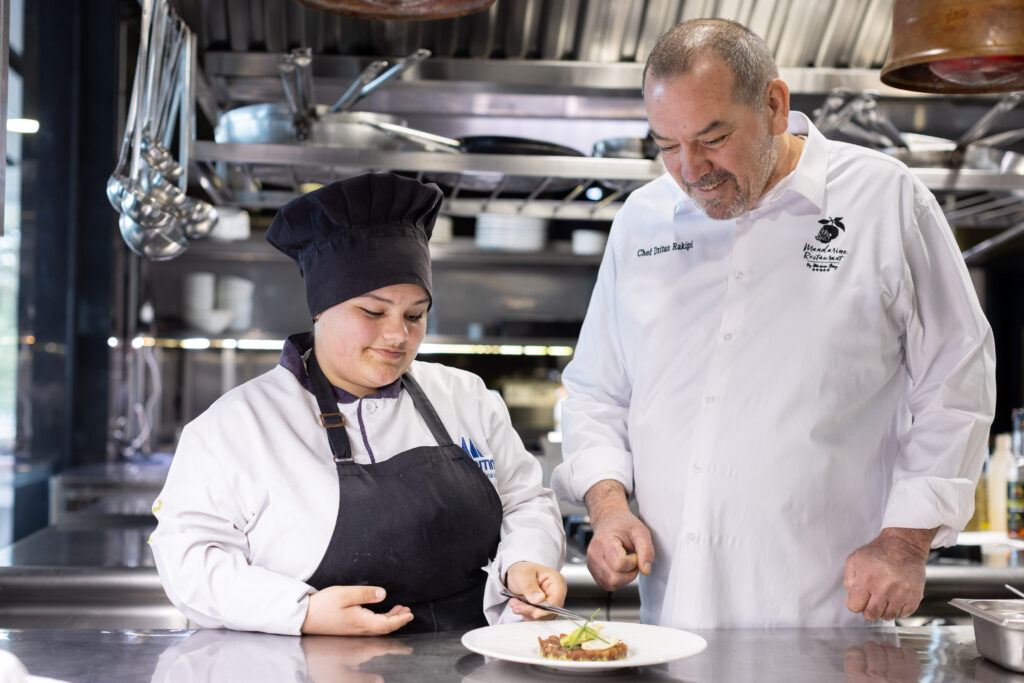
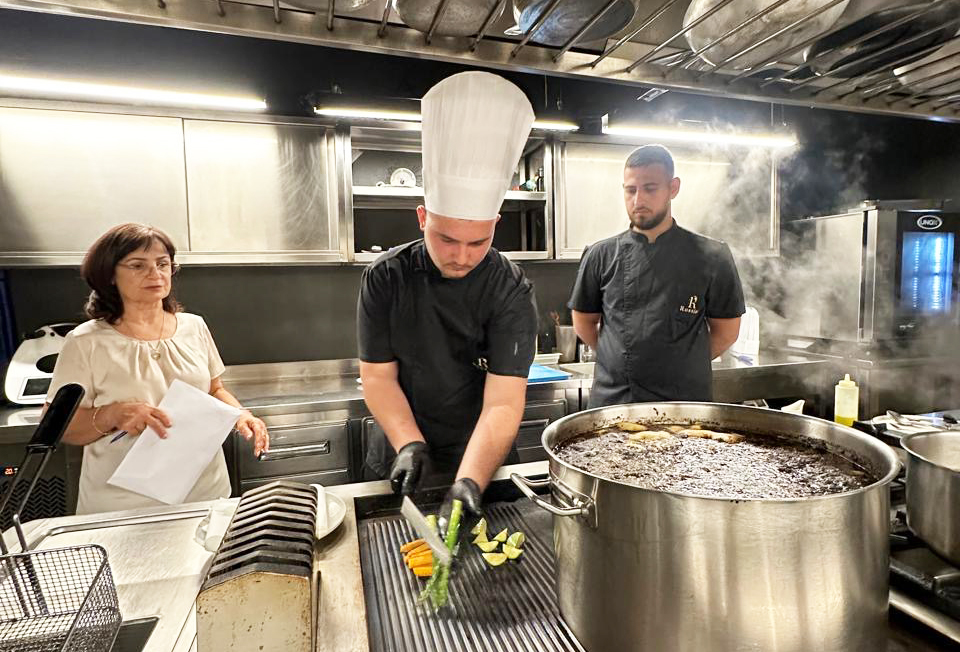
One of the most important milestones in the journey of students enrolled in dual VET is the final assessment of the skills they have acquired during their professional training. This year, with the support of Skills for Jobs (S4J) , professional level examinations were conducted on the premises of partner companies, once again putting into practice the core principle of dual VET: learning in real working environments.
To ensure the quality and standardization of this process, S4J provided technical support to 14 vocational schools across Albania, assisting them in the organization and implementation of professional level examinations within the businesses where students completed their work-based training.
Company mentors who had supervised and guided students throughout their workplace training were actively involved in the assessment committees, making the final examination a natural continuation of the students’ pathway towards professional qualification and employment.
A new feature introduced this year was the involvement of experienced teachers in a peer-learning process, sharing knowledge and practical experience with colleagues on organising final assessments in business environments.

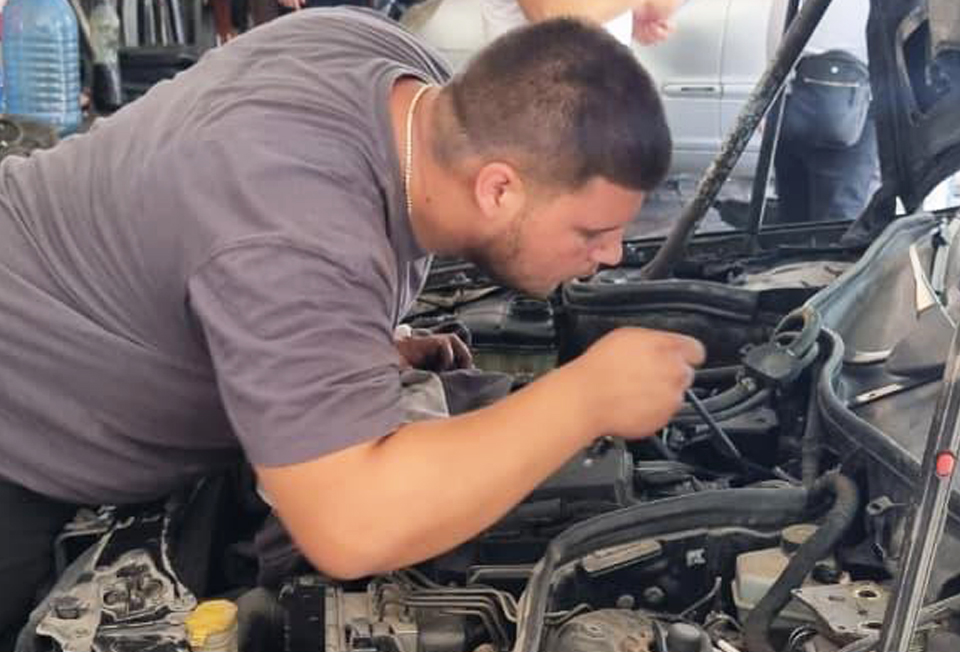



Assessment of Dual VET: Positive Results Across Stakeholder Groups
Data collected in June 2025 through the dual VET evaluation report shows high levels of satisfaction among all stakeholder groups, including students, mentors, school directors and teachers.
Among the 184 students surveyed, 94% expressed satisfaction with the dual VET programme, while 91% reported having acquired practical workplace skills. In addition, 90% would recommend this form of education, and 96% would choose the same company again.
Among mentors, 87% reported being satisfied with their experience, and 100% stated that they would mentor students again. Furthermore, 81% viewed dual VET as beneficial for their business, particularly in identifying and developing future talent.
Finally, 95% of school directors and teachers expressed satisfaction with the implementation of the model, while 100% positively assessed student engagement and development. Collaboration with businesses was rated as good or very good by 90% of respondents.